
Solar panels can drop your electric bill to almost zero in just one month. Most homeowners spend around $1,500 every year on electricity, and that cost keeps going up. Putting solar energy on your roof puts that money back into your pocket.
Switching to solar power is easier than it looks. You buy the setup, put panels on your roof, and let the sun make clean power for your house. This simple guide breaks down how it works, what it costs, and how to pick the best system for your family.
How Do Solar Panels Make Energy for Your House?
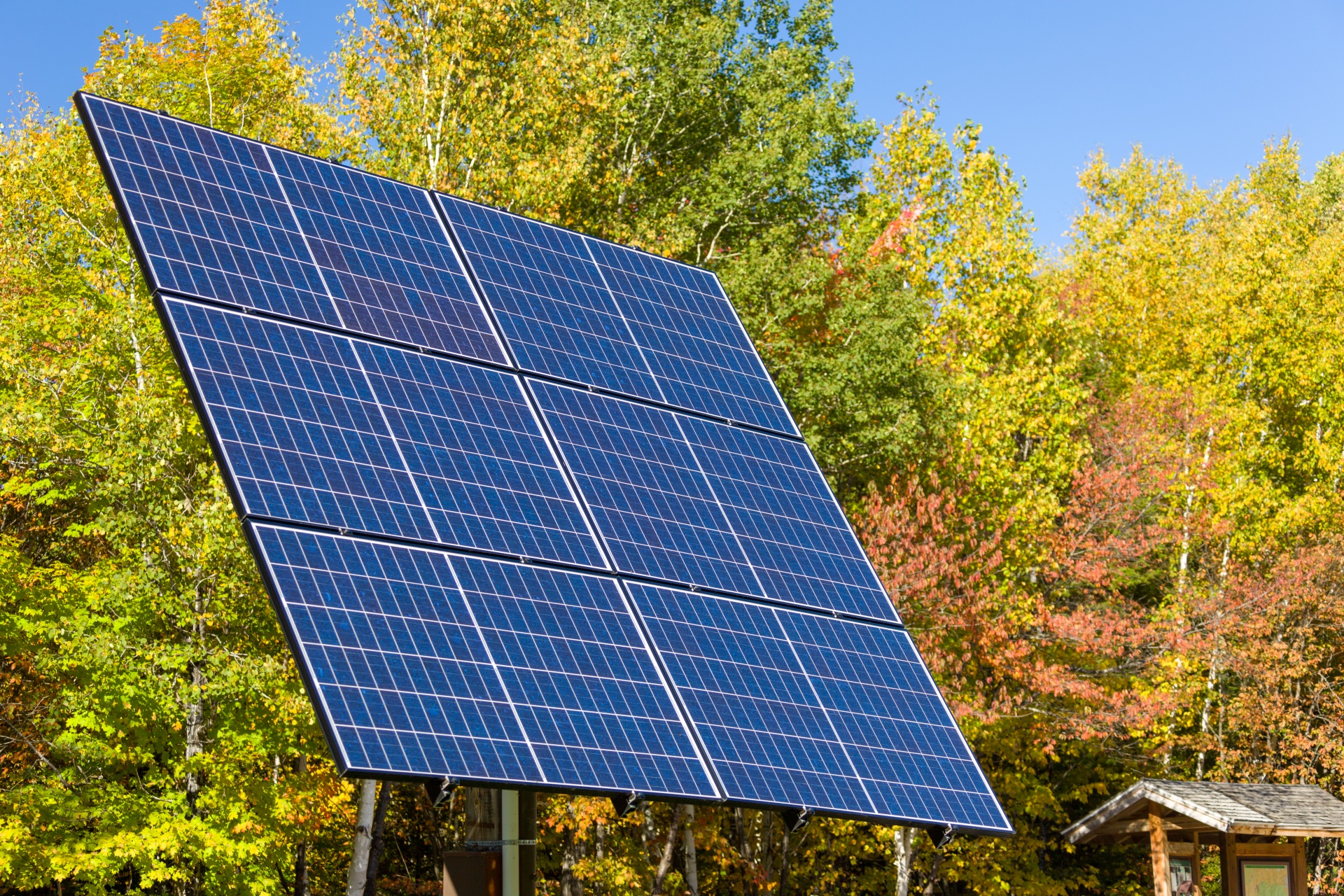
Solar panels turn sunlight into clean power for your lights, fridge, and TV. Small units inside each panel catch the sun light and turn it into DC power. Your home uses AC power, so a small box called an inverter changes that power so your appliances can use it.
Think of it like growing a garden. The panels catch sun rays all day long. When the sun shines bright at noon, your system makes more power than your house needs. That extra power goes back to the electric grid or fills up a solar battery for the night.
Last summer, my friend Dave watched his power meter run backward for the first time. His system made 35 kilowatt-hours of power in one hot afternoon. His home only used 20 kilowatt-hours. The power company actually owed him money at the end of the month.
What Is the Real Cost of Solar Energy?
The upfront cost of a home solar system usually sits between $12,000 and $20,000 after tax credits. That sounds like a lot of money, but you do not have to pay it all at once. Most people use solar loans that cost less each month than their old electric bill.
Government perks lower the price fast. The federal solar tax credit takes 30 percent off the total cost of your system right away. If your setup costs $15,000, you get $4,500 back when you file your taxes next spring.
- Average system size: 6 to 10 kilowatts
- Time to pay for itself: 6 to 8 years
- Money saved over 25 years: $20,000 to $40,000
- Warranty length: 25 years on most panels
You can also look into gear for trips or power outages. If you want light when you travel, read about Portable Solar Generators for Camping and Home Power Backups to keep your gear charged anywhere.
Are Solar Panels Worth It for Your Home?
Solar panels are worth it if you live in an area with high power rates and decent sun. You do not need to live in a desert for solar to work. Places like Massachusetts and Germany use tons of solar energy even with cloudy winter days.
Your roof needs to be in good shape before you start. If your roof is over 15 years old, replace the shingles first. Fixing a roof under active solar panels adds extra work and extra costs later on.
Trees also matter a lot. A small branch shading one panel can lower the power output of your whole roof setup. Cut back tall limbs on the south side of your house to keep the sun shining bright on your roof all day.
How to Pick the Best Solar Equipment
Not all panels are built the same way. You will see two main types when you shop: monocrystalline and polycrystalline. The dark black monocrystalline panels cost a bit more, but they make more power in small spaces.
The inverter is the heart of your system. String inverters cost less upfront, but microinverters on each panel work better if your roof gets any shade. Microinverters keep the rest of your system running at full speed even if one panel sits in the shade.
Check the company warranty before you sign any contract. Good companies promise that their panels will still produce 80 percent of their original power after 25 years of use. That long life makes your home investment very safe.
How Many Solar Panels Do You Need?
The exact number of panels depends on your electric bill and your home size. Most normal homes need between 15 and 25 panels to cover all their energy needs. Look at your power bill from last year to see how many kilowatt-hours you used.
If you use 1,000 kilowatt-hours each month, you need about an 8-kilowatt system. That equals roughly 20 panels rated at 400 watts each. A good installer measures your roof space and calculates the exact panel count for you.
Adding an electric car or a pool pump later will raise your power needs. Tell your installer if you plan to buy an EV next year. They can build a slightly bigger panel layout today so you do not run out of roof space later.
Switching your home to solar power cuts your monthly bills and protects you from rising power costs. Take a close look at your electric bill today, check your roof for sun, and talk to local installers to see how much you can save.
Comments
Post a Comment